
The Temptation of the “Out-of-State Deal”
Buying a car from another state can seem like a smart move — lower prices, better selection, maybe even that hard-to-find model your local dealers don’t have.
But I’ve seen too many buyers turn that “great deal” into a costly headache. From tax confusion to registration issues, a few overlooked details can quickly erase any savings.
Before you wire a deposit or hop on a plane, here are the 10 biggest mistakes people make when buying a car out of state — and how to avoid them.
1️⃣ Misunderstanding Sales Tax and Registration
This is the #1 mistake. People assume they’ll pay tax where they buy — but in most cases, you pay sales tax in your home state when you register the car.
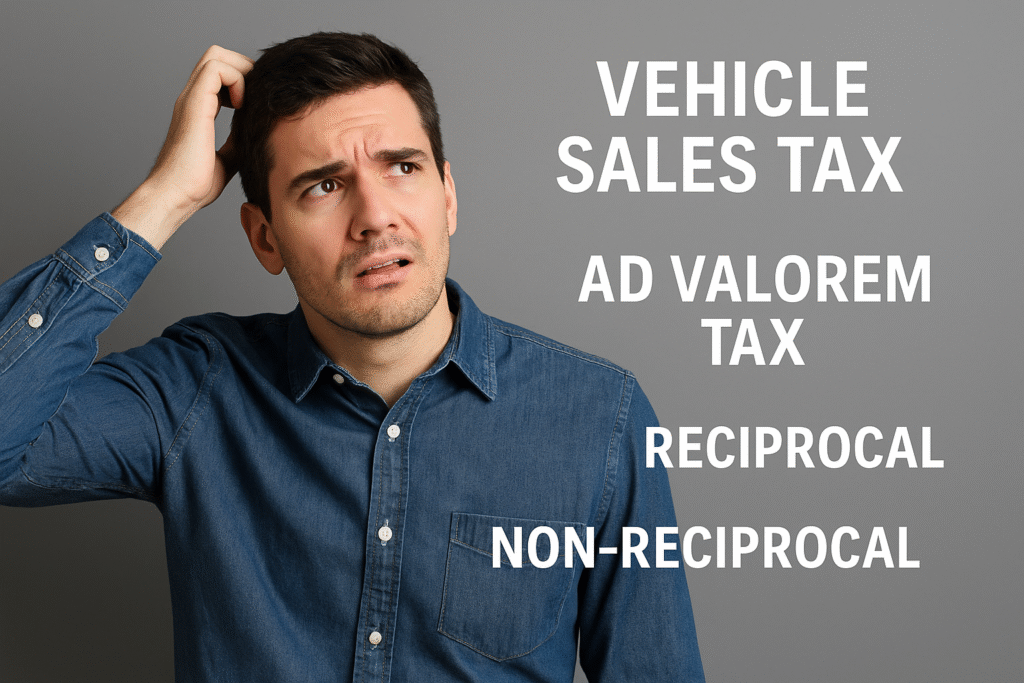
Some states charge a one-time sales tax when you buy a vehicle, while others use an ad valorem tax that’s based on your car’s value and paid yearly. On top of that, some states have reciprocal tax agreements—meaning they honor taxes paid in other states—while non-reciprocal states may require you to pay taxes again when you register your car. Even for reciprocal states, If your state’s tax is higher, sometimes you’ll owe the difference. Some buyers don’t find out until they’re standing at the DMV with a surprise bill.
👉 Pro Tip: Call your state’s DMV before you buy to confirm exactly how out-of-state tax and title transfers work. Do not rely on dealership staff to tell you what’s right — you’d be surprised how many dealerships operate the wrong way, and no one has caught on to it yet.
2️⃣ Ignoring State-Specific Inspection or Emissions Rules
Just because the car passes inspection in another state doesn’t mean it’ll pass in yours.
States like California, New York, and Massachusetts have stricter emissions standards, and not all out-of-state cars qualify.
David bought a Tacoma in New Hampshire and tried to register it in Massachusetts, only to discover later that the truck had an aftermarket lift kit. Because of the modified suspension, it couldn’t pass Massachusetts state inspection.
👉 Check before you buy: Look for “50-state emissions compliant” under the hood label or vehicle description.
3️⃣ Skipping a Pre-Purchase Inspection
Reddit is full of horror stories from people who bought cars sight unseen — only to find major mechanical issues when the vehicle arrived.
Hire an independent local mechanic or mobile inspection service near the seller to check the car before you commit. It’s the cheapest insurance you’ll ever buy.
4️⃣ Underestimating Shipping and Travel Costs
Between transportation, temporary tags, and travel, you could easily add $1,000–$1,500 to your deal.
If you’re flying out to pick up the car, budget for your return trip and fuel.
Sometimes, it’s cheaper and safer to hire a bonded transport company instead.
5️⃣ Overlooking Dealer or Documentation Fees
Out-of-state dealers often tack on extra processing or title fees for out-of-state buyers — sometimes hundreds of dollars.
👉 Always ask for a line-by-line “out-the-door” quote before signing or sending payment.
6️⃣ Not Verifying the Title and Lien Status
Even reputable sellers make mistakes with titles, and private sellers may still owe money on the vehicle.
Ask for:
- A copy of the front and back of the title (before sending payment).
- Written confirmation that there are no active liens.
- A proper bill of sale signed by both parties.
Without a clean title, your DMV may reject your registration.
7️⃣ Believing “Out of State” Automatically Means Cheaper
Just because a car is listed lower in another state doesn’t mean you’ll save money after taxes, travel, and reconditioning.
I’ve seen buyers spend more overall — even though the sticker price looked like a deal.
👉 Pro Tip: Always compare total costs, not just the advertised price.
8️⃣ Trusting Without Verification
If you can’t see the car in person, request:
- A video walkaround,
- Close-ups of the odometer, VIN plate, and undercarriage,
- A cold start video to check for warning lights or smoke.
Don’t let sellers choose the inspection shop for you. Independence is key.
9️⃣ Forgetting About Insurance and Timing
Most states require proof of insurance before registration.
And you typically only have 30–60 days after purchase to register an out-of-state car. Miss that window, and you could face fines — or worse, an unregistered vehicle you can’t drive.
🔟 Getting Stuck in DMV or Title Delays
Even when everything’s done right, paperwork can lag. Title transfers between states can take weeks. If the dealer drags their feet or the paperwork isn’t correct, your car might sit in limbo.
👉 Always confirm how long title processing takes, and never rely on verbal promises.
The Bottom Line
Buying out of state can be worth it — but only if you go in prepared.
Do your homework, verify everything twice, and factor in all costs before making a move.
At Integrity Carbuyer, we help car shoppers review deals, paperwork, and eligibility before they commit — whether local or out-of-state.
👉 Upload your quote or bill of sale to ClearBuy, and we’ll show you the risks, fees, and true value before you sign.
Final Word
The best deals aren’t about chasing the lowest price — they’re about knowing the full picture.
When you slow down and verify the details, you won’t just save money — you’ll save yourself a lot of headaches too.
